
Hype Hangover

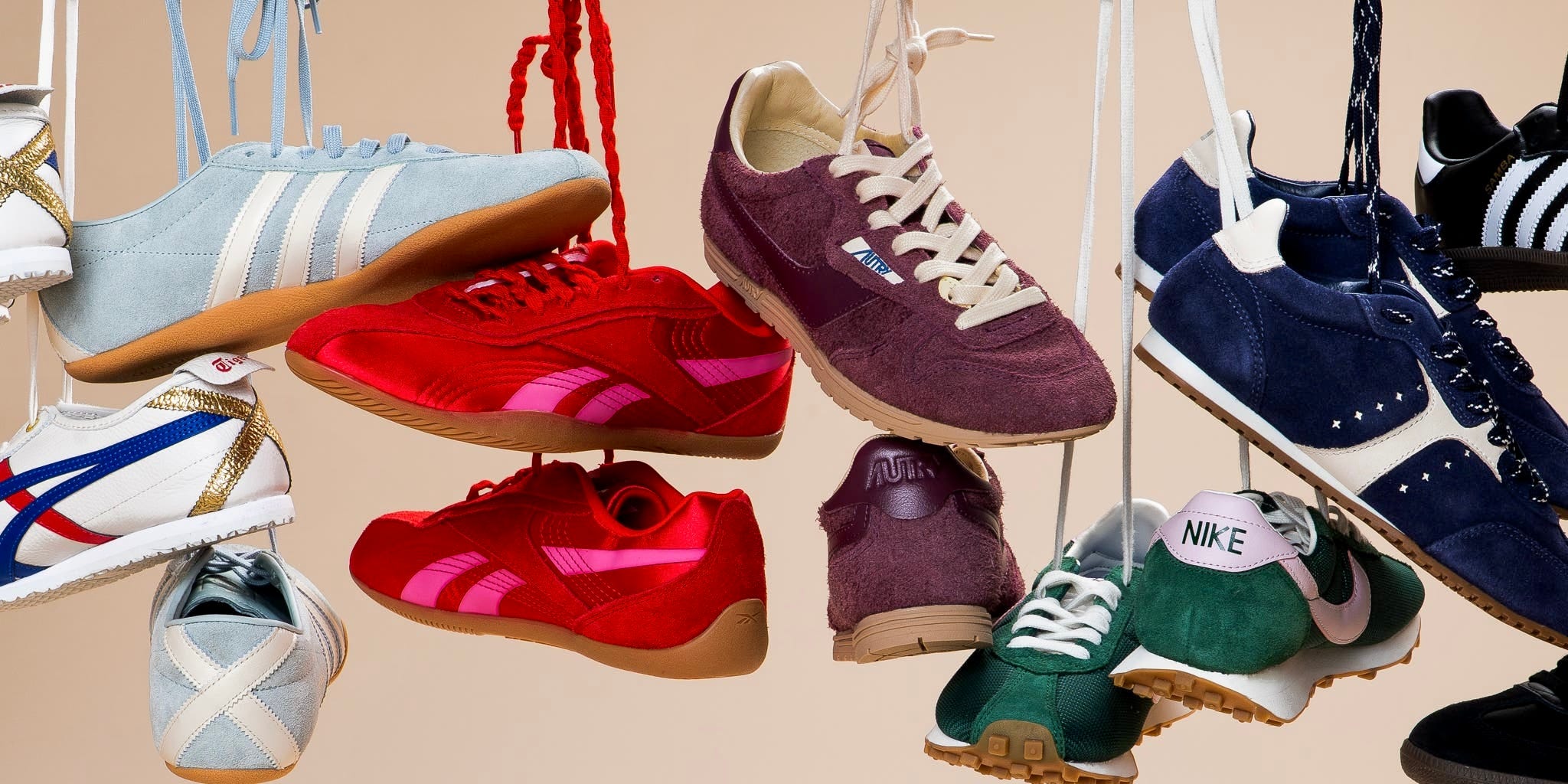
Not long ago, people slept on sidewalks to buy a shoe. They lined up in winter blizzards, camped outside Foot Locker overnight, refreshed apps at 3am, and paid scalpers triple retail just for the privilege of owning a pair of rubber-soled sneakers with the right logo on the side. A pair worn by Kobe Bryant sold at Sotheby’s for $190,500. Sneakers weren’t just shoes. They were currency, status, identity — and for thousands of people, a full-time career.
Today those same shoes sit unsold on digital shelves at a discount. European sneaker retailers are bankrupt. Nike has lost more than half its market value over three years and laid off thousands of employees. And a YouTuber with 3 million followers — a man who made his name reviewing sneakers — recently declared the whole thing dead.
So what happened? And what does it tell us about the way culture rises, burns, and collapses in the world we now live in?
In 2020, 58 percent of sneaker releases traded above retail.
By 2024, that number had fallen to 47 percent and it is still dropping.
At the peak of the crisis, Nike alone saw 28 billion dollars in market value erased.
The Pandemic Made Everyone a Sneakerhead
To understand what collapsed, you have to understand what was built. Sneaker culture didn’t start with the pandemic — it started in 1984, when a rookie basketball player named Michael Jordan signed with Nike and changed what a shoe could mean. For decades it grew underground: a subculture of collectors, traders, and obsessives who understood that a particular shoe, in a particular colourway, released in a particular quantity, could become something more than footwear. It could become a piece of history.
Then the pandemic arrived, and everything accelerated. Stuck at home, with disposable income and nothing to spend it on, millions of people discovered sneaker culture for the first time. The 2020 Netflix documentary “The Last Dance” reignited obsession with Michael Jordan’s legacy. Supply chains broke down, making shoes scarcer than ever. Prices exploded. Air Jordan 1s and Nike Dunks tripled their retail value overnight. People who had never thought about sneakers began treating them like stocks — buying to hold, watching prices move, selling at peaks.
“A few years ago, limited edition shoes were reselling for 100 to 200 percent premium. Nowadays, people just aren’t willing to do that anymore.”— MIKE SYKES II, BUSINESS OF FASHION CORRESPONDENT, NPR 2026
The resale market — already a thriving underground ecosystem powered by platforms like StockX, GOAT, and Flight Club — went mainstream. Teenagers quit jobs to flip sneakers full-time. Parents bought pairs for their children’s college funds. The resale market swelled toward $6 billion in the US alone. It felt, to those inside it, like it could only go one direction.
It is one of the oldest mistakes in the history of human commerce.
The Brands Killed Their Own Golden Goose
The collapse didn’t arrive suddenly. It was engineered, slowly, by the brands themselves.
The economics of sneaker hype depend entirely on scarcity. A shoe is worth a premium only if most people cannot get it. Nike and Adidas understood this for decades — the “limited drop” model, where small quantities of a desirable style were released without warning, was the engine that made the whole machine run. But between 2022 and 2024, as both companies chased quarterly revenue targets, they made a catastrophic decision: they flooded the market.
The Panda Dunk — once a unicorn — was restocked so many times it became a mall-kiosk staple. The Adidas Samba, the hottest shoe of 2023–24, saw search interest fall 32 percent from its peak as oversaturation killed the mystique. General Jordan releases, once guaranteed to sell above retail, are now sitting on resale apps at below their original price. As one reseller put it bluntly: “When everyone can get the shoe, nobody needs to pay for the shoe.”
Nike’s troubles run deepest. The brand lost more than half its stock value over three years, laid off 1,400 workers in its most recent round of cuts alone, and is projecting a 20 percent sales collapse in China — once its most critical growth market — in the current quarter. A Morningstar analyst, reviewing the latest numbers, said simply: “Nike should be further along in its recovery by now. Problems run deeper than originally thought.”
Fashion Moved On. It Always Does.
There is a third force at work, quieter than economics, more ruthless than any supply decision: fashion simply changed its mind.
The silhouettes that defined sneaker culture — chunky Air Jordan 1s, low Nike Dunks, the bold Yeezys that Kanye West made into a religion before his public implosion ended Adidas’s partnership with him — are starting to feel dated. The new wave of desirable footwear belongs to a different register entirely. Hoka, On Running, Asics, New Balance — brands built for performance rather than posture — are having their cultural moment. The fastest-growing sneaker brand on resale platforms in 2025 was Mizuno, up 124 percent. Mizuno: the brand your volleyball coach used to wear.
Meanwhile, luxury fashion houses that once sent sneakers down catwalks are pivoting. Louis Vuitton collaborated with Timberland. Balenciaga released a line with Crocs. New Balance dropped a sneaker-loafer hybrid. The cultural conversation around footwear has moved from hype and exclusivity to comfort, craft, and quiet confidence. The sneaker didn’t die. It aged out of the spotlight.
The Human Cost Nobody Is Counting
The market data tells one story. The human story is harder to find and more important to tell.
Thousands of people built their livelihoods around the sneaker economy at its peak. In London, Ontario — once home to several sneaker boutiques — only one store survives today. Its owner, Kish, watched the wave rise and collapse from the inside. “Saturation,” he says. “Overproducing of certain Jordans. Fakes got really, really good. People can get them for $80 instead of $400. That’s hard to compete with.”
In the Twin Cities, resellers are condensing inventories and rebranding locations. Platform fees on StockX and GOAT run as high as 19 percent — on margins that have already shrunk from 100 percent at peak to 10–25 percent today. For the reseller who bought a standard Jordan Retro at $215 to flip it, the math is now brutal: after fees and shipping, they need $265 just to break even. Most are selling for $180–220. They are paying for the privilege of losing money.
These are not corporations. These are individuals — young entrepreneurs, first-generation hustlers, kids from communities where the sneaker economy offered a rare ladder up — who read the cultural moment correctly, bet on it, and got caught when the wave broke.
Culture moves fast. It doesn’t look back at who it leaves behind.
To continue reading and to access my full analysis on how cultural momentum turns into collapse — and what it reveals about the way we build, hype, and abandon our own empires — become a paid subscriber to Culture Unpacked. This section explores how the sneaker story mirrors every modern cycle of fame, scarcity, and reinvention, from tech to politics to art, and why understanding it matters now more than ever.
